Choose a fighting language before choosing a tier list
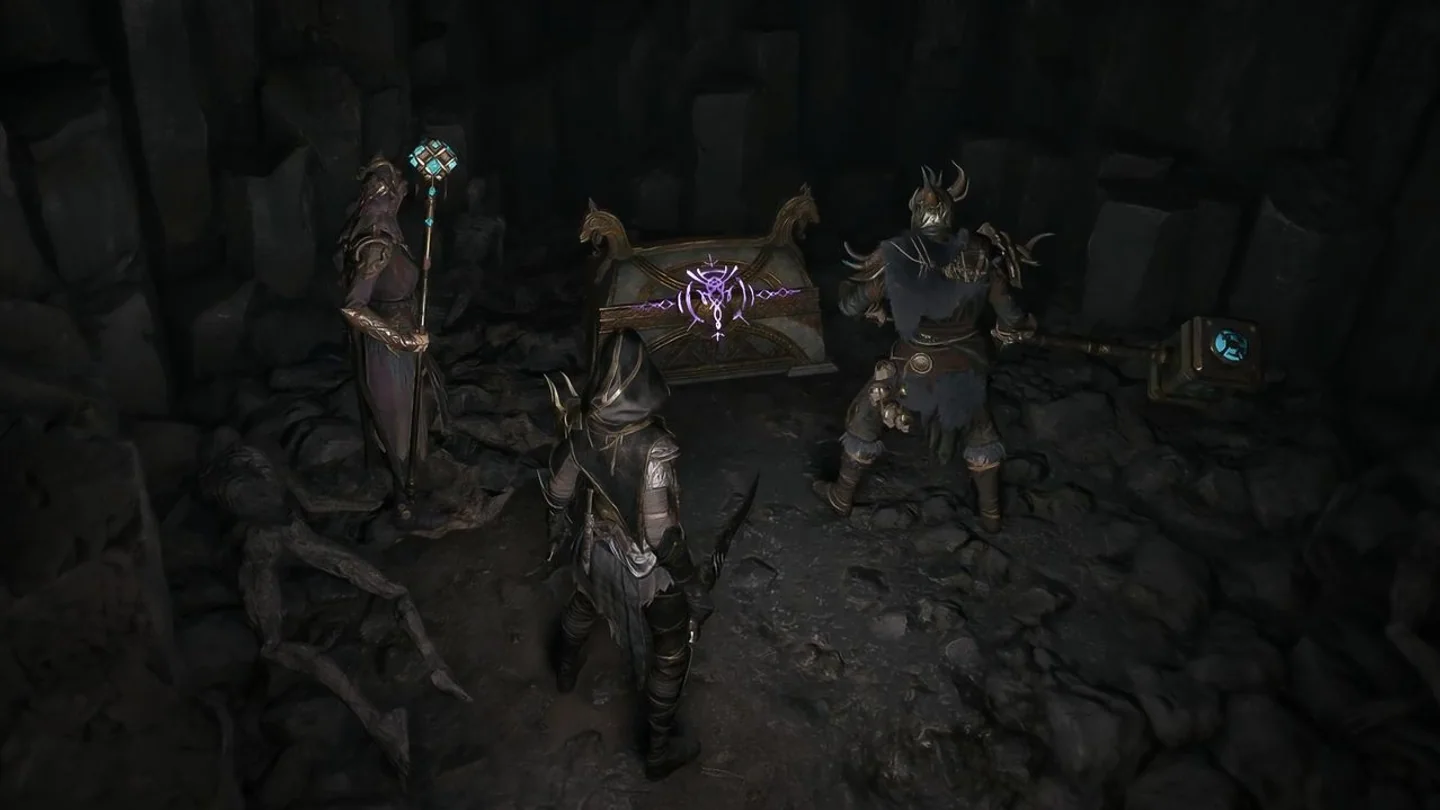
Start with the kind of decision you want to make under pressure. Mercenary leans toward direct frontline exchanges and shield counters. Sorcerer can apply damage at range or close quarters while contributing control. Blackarrow prizes precision and positioning. Shadowstrix closes distance and chains fast attacks. Seer combines damage, protection and control. Withered Knight offers heavy Greatsword play plus Polearm and Shield at launch.
Do not turn those identities into permanent rankings. An extraction game changes with squad composition, map geometry, available gear and balance patches. Pick a class whose basic decision pattern you can explain. If you prefer to hold space and answer an obvious strike, test Mercenary. If you want to manage range, test Sorcerer or Blackarrow. If you enjoy mobility and timing, inspect Shadowstrix. If you want visible team utility, compare Seer and defensive Withered Knight play.
Use the first sessions to test one question at a time: Can you recognize your safest opener? Can you change stance without losing track of the opponent? Can you disengage when the fight stops serving the run? Record the answers in plain language. A class becomes a practical main when its decisions remain clear during a messy encounter, not when a video labels it strongest.
Give the run a minimum success condition
Before deployment, decide what would make the run useful. Early on, that may be learning one route, testing one weapon stance, or extracting one modest improvement. A minimum condition prevents every encounter from becoming mandatory. It also gives the squad a shared reason to turn back when a fight creates more risk than value.
Agree on simple communication. Name the direction of danger, whether an opponent is a player or creature, whether you are committing or disengaging, and what resource is limiting the next exchange. Long tactical speeches arrive too late. Short calls work because every squad member can connect them to the same objective.
Solo players need the same discipline internally. Pause before crossing exposed ground. Identify where you would retreat if the next sightline reveals another hunter. Keep a path that does not require winning the fight you are about to start. Extraction games punish plans that begin only after contact.
- Set one learning goal for the run.
- Keep an exit direction before opening a fight.
- Use short squad calls tied to the objective.
Build around the items the field gives you
Talent trees and gem affixes expand a class, but the live run still decides what options are available. Read every choice as a change to a specific job: opening pressure, sustained damage, protection, control, movement, information or extraction safety. If an affix cannot be connected to the next likely problem, its apparent rarity is not enough to make it useful.
Change one meaningful variable at a time when learning. If you swap stance, tactical item and several talent choices together, success teaches very little because you cannot tell which decision mattered. A controlled comparison produces slower spectacle but faster understanding.
Avoid carrying value only because you already invested time. The more valuable the haul becomes, the more the next uncertain fight must justify itself. A modest extraction can finance later experiments. A greedy loss provides information, but it also resets resources that could have supported several cleaner lessons.
Test the result against one familiar encounter before carrying the new combination into a high-value route. A small controlled comparison makes the improvement legible.
Separate combat information from extraction information
Combat information answers who can hit whom, from where and with which likely response. Extraction information answers whether the current location still supports a route home. Both matter. Winning a duel in a dead end while another squad controls the exit can still lose the run.
Use sound, silhouettes, recent activity and opened loot as signals, not certainty. Another player can rotate. A creature can pull attention across a wider area. A quiet path can become dangerous after a nearby battle. Update the plan when evidence changes instead of defending an old prediction.
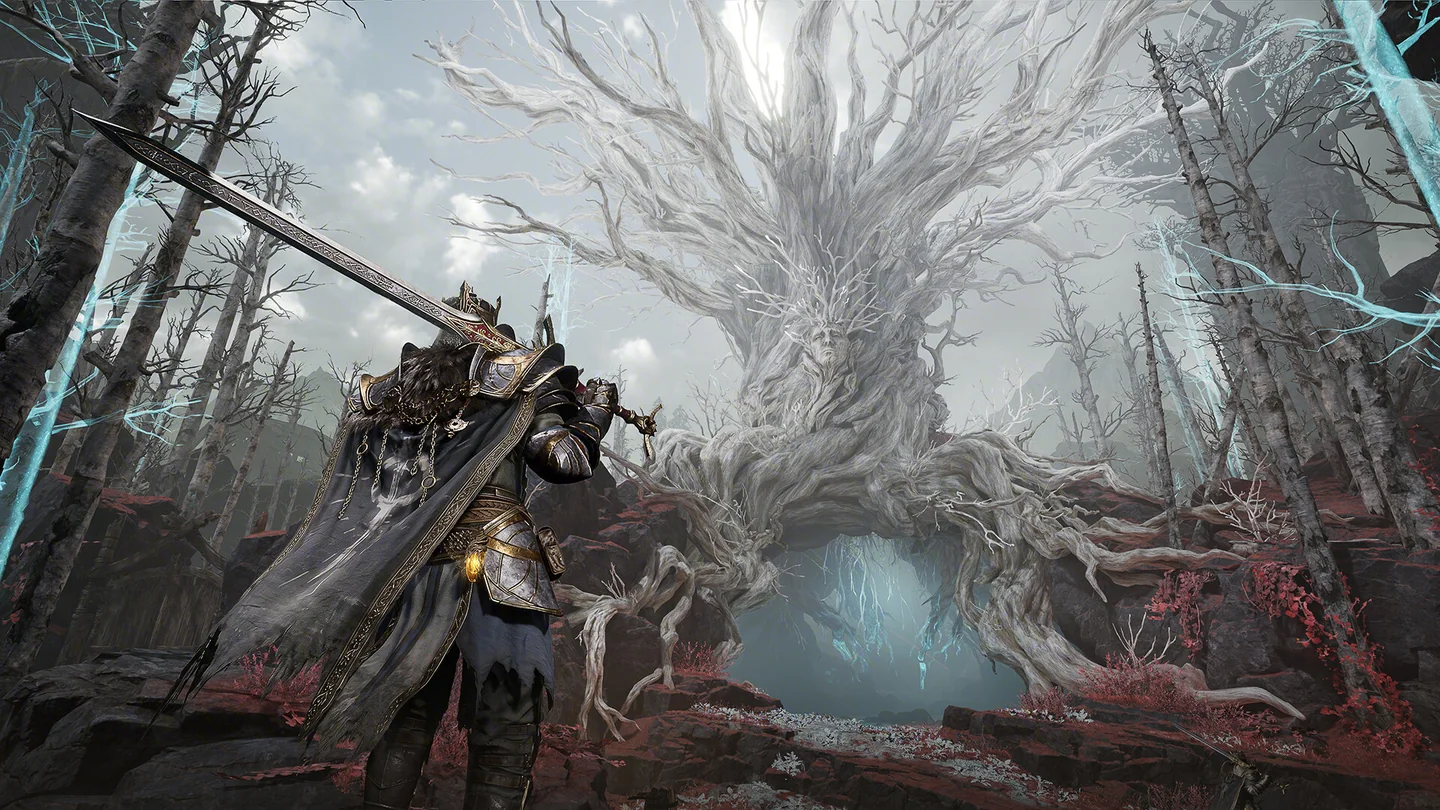
When you find a Returner Woodling, the objective changes. The creature is not simply another collectible. It enables the escape sequence described by the official game materials. Reassess carried value, health and squad condition immediately. Continuing deeper should be a fresh decision, not momentum.
Mark the point where combat information became route information. That transition is often when a disciplined squad stops pursuing and starts preserving the run.
Treat extraction as a coordinated phase
Approach the return route with the same attention used for a fight. Check angles before interacting, decide who watches which approach and avoid stacking the entire squad on one readable position. If a teammate is delayed, state whether the group is holding, rotating or leaving. Ambiguity is more dangerous near the finish because everyone believes the objective is obvious.
Do not spend every resource earlier and assume the last stretch is safe. Preserve enough healing, control or movement to answer a final interruption. The exact inventory economy may change, but the principle is stable: an unused resource that enables extraction has completed its job.
After the run, review one decision that created safety and one that created unnecessary exposure. Keep the review specific. Replace “we played badly” with “we entered the bridge without a retreat direction” or “we kept looting after securing the Woodling.” Specific observations become rules you can test in the next deployment.
Primary sourceOfficial store description and launch materials ↗